When custom metal fabrication is part of a build, the smallest details can have the biggest impact. It’s not just about getting the parts made—it’s about getting them made right. For contractors, that means understanding which fabrication details influence cost, quality, and scheduling, even if you’re not managing the shop floor.
Here are five fabrication details that can either support your success—or derail your project.
1. Weld Quality Drives Structural Performance
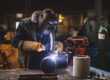
Welds aren’t just connections—they’re load-bearing, stress-handling structural elements. Weak or inconsistent welds compromise strength and can fail under pressure. In some cases, weld issues won’t surface until the structure is under load or exposed to the elements.
Professional welding services match the right welding method to the material, application, and code requirements. The difference between a clean, durable weld and a rushed one isn’t just visual—it’s functional and often critical to passing inspection.
Why it matters:
Inadequate welds can lead to cracking, corrosion, or outright failure—especially in structural or load-bearing assemblies.
Contractor takeaway:
Work with certified welding services providers who understand your application and can stand behind the welds they deliver.
2. Edge Finishing Isn’t Cosmetic—It’s Functional
Unfinished edges are a liability. Sharp edges can injure workers. Rough cuts can interfere with paint, coatings, or assembly. And in exposed installations, poor finishing is the first thing your client will notice.
Quality custom metal fabrication includes edge finishing: deburring, smoothing, and prepping all surfaces for coating or contact. This step is especially important in architectural or high-touch applications, like railings, panels, or hardware.
Why it matters:
Rough edges can cause safety issues, accelerate corrosion, and undermine the visual quality of the finished product.
Contractor takeaway:
Don’t assume edge finishing is standard. Confirm it’s part of the scope—especially when aesthetics or safety are at stake.
3. Tolerances Are the Silent Project Killers
A part that’s just slightly off-spec can bring an entire job to a halt. That’s the reality when dealing with tight spaces, prefabricated elements, or mechanical systems. Dimensional tolerances must be precise—and repeatable.
In high-quality custom metal fabrication, tolerances are held through every stage: cutting, bending, welding, and finishing. Experienced fabricators use calibrated equipment and quality checks to maintain consistency across parts and batches.
Why it matters:
Even a millimeter of error can force on-site modifications, delay installations, or compromise fit and function.
Contractor takeaway:
Choose fabricators who treat tolerances seriously and have the tools to back it up. Ask how they measure, track, and report dimensional accuracy.
4. Alignment Affects Everything Downstream
Proper alignment during fabrication ensures that assemblies are square, level, and ready for install. Misaligned components can look fine in isolation—but during installation, they create gaps, twist loads, and slow everything down.
Good alignment starts with how parts are fixtured and assembled before welding. Reliable custom metal solutions providers use jigs and consistent procedures to ensure every part lines up—every time.
Why it matters:
Poor alignment leads to poor fit, longer install times, and visible defects that can’t be easily fixed on-site.
Contractor takeaway:
Complex assemblies demand precision. Partner with fabricators who use tools and methods that ensure alignment from the start.
5. Material Choice Should Never Be an Afterthought
Material selection influences everything: strength, weight, corrosion resistance, weldability, and lifespan. Using the wrong alloy—or the wrong finish—can ruin performance, increase maintenance, or require expensive replacements later.
Experienced custom metal fabrication shops match materials to your project’s environment and performance demands. They’ll consider exposure, load, finish compatibility, and how the material responds to heat or welding processes.
Why it matters:
The wrong metal may look right but behave wrong—leading to failures that don’t show up until after the job is done.
Contractor takeaway:
Be involved in material selection. Ask for recommendations based on use, not just availability or price. A smart choice here protects the whole project.
These Details Decide the Outcome
Contractors don’t need to micromanage fabrication—but you do need to understand which details matter. Welding services, edge finishing, tolerances, alignment, and material selection are the five factors most likely to affect cost, schedule, and quality.
When you know what to prioritize, you’re better equipped to choose the right custom metal solutions partner—and avoid the headaches that come from overlooked fabrication issues.
Start Your Custom Fabrication Project Today
From sheet stock to polished perfection, Abraham Steel delivers high-quality results on projects of any size. Whether you need precision cutting, expert bending, professional welding, or flawless polishing — we’ve got you covered.
Contact us now to bring your custom metal solution to life with craftsmanship you can trust.