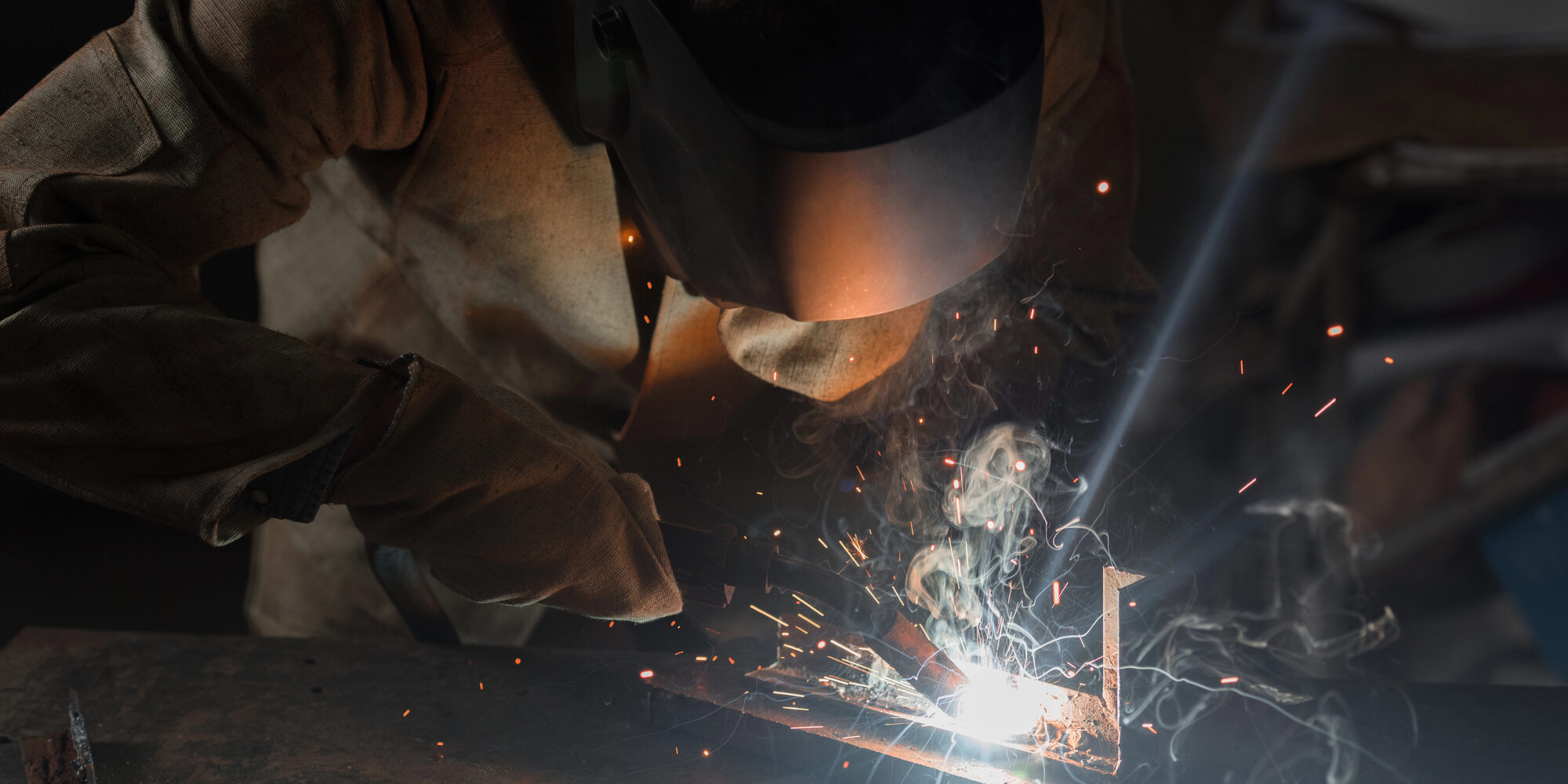
In construction, strength starts at the seams—literally. Whether you’re overseeing a high-rise, a bridge, or a custom metal fabrication project, welding is the backbone that holds it all together. But not all welds are created equal. The quality of your welding services directly affects structural integrity, job site safety, and your ability to pass inspections without costly delays.
Here’s what every contractor needs to know about welding quality—and why choosing the right industrial welding services isn’t just a line item. It’s a make-or-break decision.
What Makes a Weld “Quality”?
A strong weld isn’t just about sticking two pieces of metal together. It’s about creating a seamless joint that can stand up to stress, time, and environmental conditions. A quality weld shows:
- Proper Penetration: The weld fuses deeply into the base metal without burning through.
- Uniform Bead Appearance: The weld bead is smooth, even, and consistent in size.
- No Defects: Look out for cracks, porosity (tiny gas bubbles), undercutting, or spatter—all signs of rushed or careless work.
- Correct Size & Contour: Over-welding wastes materials; under-welding risks failure.
A qualified welder using proper technique and the right equipment ensures these fundamentals are met every time.
What to Look for On Site
If you’re not a certified inspector, you can still catch red flags before they become inspection failures. Here’s what to look for when evaluating on-site welding services:
Visual Consistency
Are welds clean, uniform, and free of spatter or slag? A sloppy-looking weld is often a weak one.
Joint Preparation
Was the metal properly cleaned and prepped? Welding on rust, paint, or debris leads to weak bonds.
Welding Procedure Compliance
Professional industrial welding services follow set procedures for different materials and positions (horizontal, vertical, overhead). Deviating from these procedures can compromise strength and void certifications.
Weld Type Suitability
Is the proper process being used—MIG, TIG, Stick—for the job? Each has its purpose depending on the material, load, and environment.
How Welding Affects Job Safety
Bad welds aren’t just a quality issue—they’re a hazard. Cracked or failed welds can lead to structural collapse, equipment malfunction, and serious injury. For contractors, that risk extends beyond the site:
- Legal Liability: If a failure can be traced back to poor welding, you could be held responsible.
- Worker Safety: Your crew depends on solid fabrication for scaffolding, support beams, and safety rails.
- Delays and Downtime: Failed inspections due to poor welding can shut a job down until the work is re-done.
High-quality welding services eliminate these risks before they show up on the punch list.
Passing Inspections Without Headaches
No contractor wants to deal with rework. Failed welding inspections can derail a timeline and eat into your profit margins. The key to passing on the first try is working with experienced providers who understand code requirements inside and out.
Certified industrial welding services are familiar with industry standards and can deliver documentation to back up their work. This includes:
- Welder qualifications
- Welding procedure specifications (WPS)
- Material traceability
- Non-destructive testing results (NDT)
This paperwork isn’t just a formality—it proves that your welds will hold up under scrutiny.
Why Custom Metal Fabrication Needs Expert Welding
Custom metal fabrication adds another layer of complexity. Whether you’re creating unique architectural elements or heavy-duty frames, you’re often working with one-off parts and unusual designs. That means welding precision isn’t optional—it’s critical.
Experienced fabricators can:
- Interpret detailed blueprints and specs accurately
- Choose the correct welding method for mixed materials
- Maintain dimensional accuracy while joining complex shapes
Without skilled welders on these jobs, your custom parts won’t fit or function—and your build suffers.
How to Choose the Right Welding Partner
Not all welding services are the same. When selecting a provider, look for:
- Certifications: Ensure they’re certified to weld the materials and processes your job requires.
- Portfolio: Have they handled similar industrial welding services before? Ask to see examples.
- Process Control: Do they have consistent procedures for prep, weld, inspection, and documentation?
- Flexibility: For custom metal fabrication, you want a team that can adapt to design changes without compromising quality.
The right welding partner becomes part of your quality control process—not a risk to manage.
The Bottom Line
Welding is more than a task—it’s a craft. Every weld laid down on your job site is either building your reputation or putting it at risk. As a contractor, knowing what to expect from professional welding services and holding your subs to high standards is non-negotiable.
Choose industrial welding services that are certified, detail-focused, and experienced in custom metal fabrication. Because in construction, you don’t just build to code—you build to last.
Need help with your next project? Whether it’s structural steel, custom fabrication, or specialized welding for industrial builds, make sure your welding services are up to the task. Strong welds mean strong builds—and fewer problems down the line.
Start Your Custom Fabrication Project Today
From sheet stock to polished perfection, Abraham Steel delivers high-quality results on projects of any size. Whether you need precision cutting, expert bending, professional welding, or flawless polishing — we’ve got you covered.
Contact us now to bring your custom metal solution to life with craftsmanship you can trust.