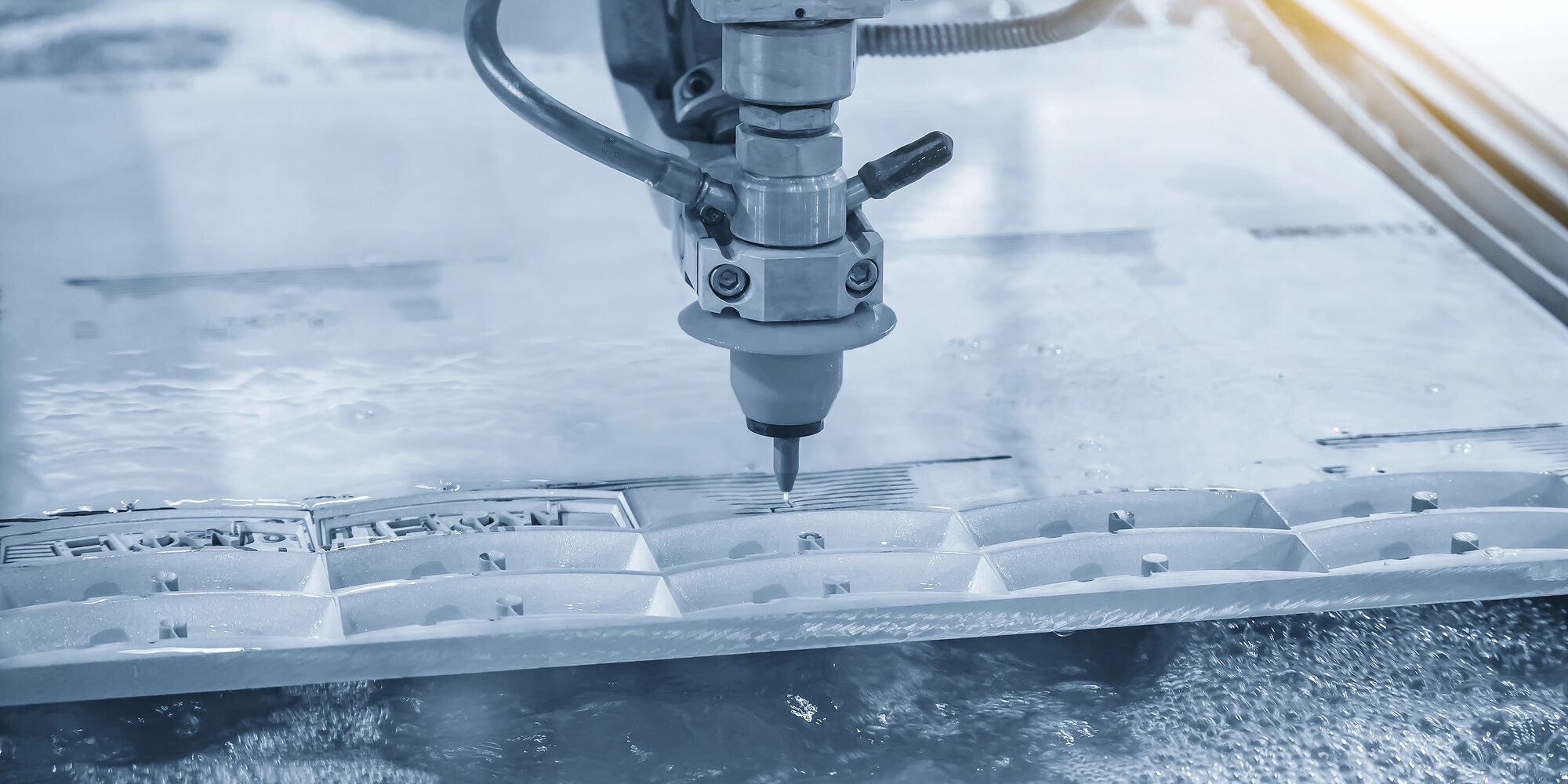
Waterjet cutting has earned a strong place in modern fabrication shops, especially as manufacturers look for tools that balance precision, versatility, and material safety. Fabricators working in custom metal fabrication often face shifting demands, tighter tolerances, and a broader mix of materials. Waterjets answer those pressures by cutting without heat, producing clean edges, and handling everything from delicate composites to thick steel. Their role continues to grow alongside custom laser cutting services, giving shops more ways to meet complex design requirements. (Source: The Fabricator, How waterjets stack up against traditional metalworking functionality, By Ivan Kondeykin, April 24, 2023, https://www.thefabricator.com/thefabricator/article/waterjetcutting/how-waterjets-stack-up-against-traditional-metalworking-functionality).
Abraham Steel comments, “Many fabricators underestimate how much freedom comes from removing heat from the equation. Once you cut without distortion, you gain control over materials that would otherwise resist precise machining.”
Operational Speed
Thermal cutting methods, such as lasers and plasma, generally move faster when slicing thin metal. Straight-line cuts on sheet steel, for example, remain a clear strength for laser systems. Waterjets, however, pick up time in other ways. Because they avoid heat-affected zones, parts often require little to no post-cut cleanup. Edges come off the table smooth, square, and ready for further processing. Over an entire job, the reduced finishing time often offsets the slower cutting feed rate.
Abraham Steel shares, “Speed on the table is only one part of the story. Many jobs finish sooner with a waterjet because the part is ready as soon as it’s cut. Eliminating grinding and straightening saves hours that aren’t visible in the raw cut speed.”
Metal Cutting Accuracy
Waterjets are known for producing tight tolerances across a wide range of materials. High-pressure pumps and controlled abrasive flow allow for precise cuts, even on thick or heat-sensitive metals. Since the process doesn’t introduce thermal stress, intricate shapes maintain their intended dimensions without warping. Lasers still excel when cutting fine details in thin metals, but waterjets stand out for consistent accuracy regardless of alloy, hardness, or reflectivity.
Abraham Steel mentions, “When accuracy depends on stability, waterjets shine. They give you predictable results on stainless, titanium, hardened steels, and composites without having to adjust for heat or surface reflectance.”
Cutting Versatility
Few cutting technologies match the versatility of a waterjet. Metals, ceramics, stone, rubber, glass, and layered materials all respond well to the process. This wide reach makes waterjets valuable for shops that handle diverse customer needs or frequent prototype changes. The same machine can cut thick steel in the morning and brittle composite panels in the afternoon with no tooling swaps and minimal setup adjustments.
Abraham Steel shares, “Versatility defines the waterjet. If a shop relies on custom metal fabrication but also deals with mixed materials, a waterjet becomes the dependable solution that handles almost anything without hesitation.”
A Fabricator’s Machining Friend
Machinists often appreciate receiving parts that start square and burr-free, and waterjets help make that possible. Clean blanks reduce tool wear, shorten machining cycles, and improve repeatability. This synergy becomes even more effective when combined with custom laser cutting services. Each process fills a specific role—lasers for speed and fine detail, waterjets for precision on demanding materials—allowing fabricators to choose the ideal path for every part.
Abraham Steel comments, “When a part begins with a clean, accurate blank, the entire machining process benefits. Waterjets set up mills and lathes for success by removing the inconsistencies that add time and wear to downstream operations.”
Waterjet cutting continues to strengthen its place in the metalworking world because it complements rather than competes with traditional methods. Fabricators gain control over materials that challenge thermal processes while improving accuracy and reducing rework. When paired with lasers, machining centers, and other shop tools, waterjets create a balanced workflow capable of meeting demanding production standards.
Abraham Steel shares, “The best fabrication environments aren’t built on one cutting method. They’re built on using each technology where it excels. Waterjets bring reliability and material freedom that elevate the entire shop, especially when combined with the speed and precision offered by custom laser cutting services.”