In construction and renovation, nothing ever fits perfectly off the shelf. That’s where custom metal solutions come in. Whether it’s a simple bracket, a decorative railing, or a load-bearing structural element, custom metal fabrication bridges the gap between a contractor’s vision and a part that performs on-site.
So how does a napkin sketch or rough site spec turn into a precise, ready-to-install metal part? It all starts with collaboration.
1. The Initial Idea: Sketches, Specs, and Site Visits
Contractors are problem solvers. When something on the job site needs a unique piece of hardware or a tailor-fit component, the first step is often a quick drawing or a marked-up photo. This may be done on paper, a tablet, or even the back of a lunch receipt.
A good fabricator doesn’t need perfect CAD files to get started. They just need a clear picture of what the part needs to do, how it fits, and any constraints (size, load, clearance, finish, etc.). This is where communication is key. The best custom metal works begin with a conversation—clarifying purpose, context, and challenges before anything is cut or welded.
2. Translating the Vision: Design and Engineering
Once the initial idea is in hand, the fabricator moves into the design phase. This involves converting rough concepts into formal shop drawings or 3D models. These designs don’t just look good—they’re built to be functional, durable, and compliant with code or industry standards.
This is where experience matters. A seasoned fabricator can spot potential issues early, like thermal expansion, structural weaknesses, or installation complications. They’ll suggest improvements or alternatives that save time and reduce installation headaches without compromising the contractor’s vision.
The design phase is also where materials are selected. Stainless steel? Aluminum? Galvanized steel? Powder-coated finish? These decisions affect cost, strength, corrosion resistance, and aesthetics—and they’re all part of building smart custom metal solutions.
3. Cutting, Forming, and Fabrication
Once designs are approved, it’s time to make metal move.
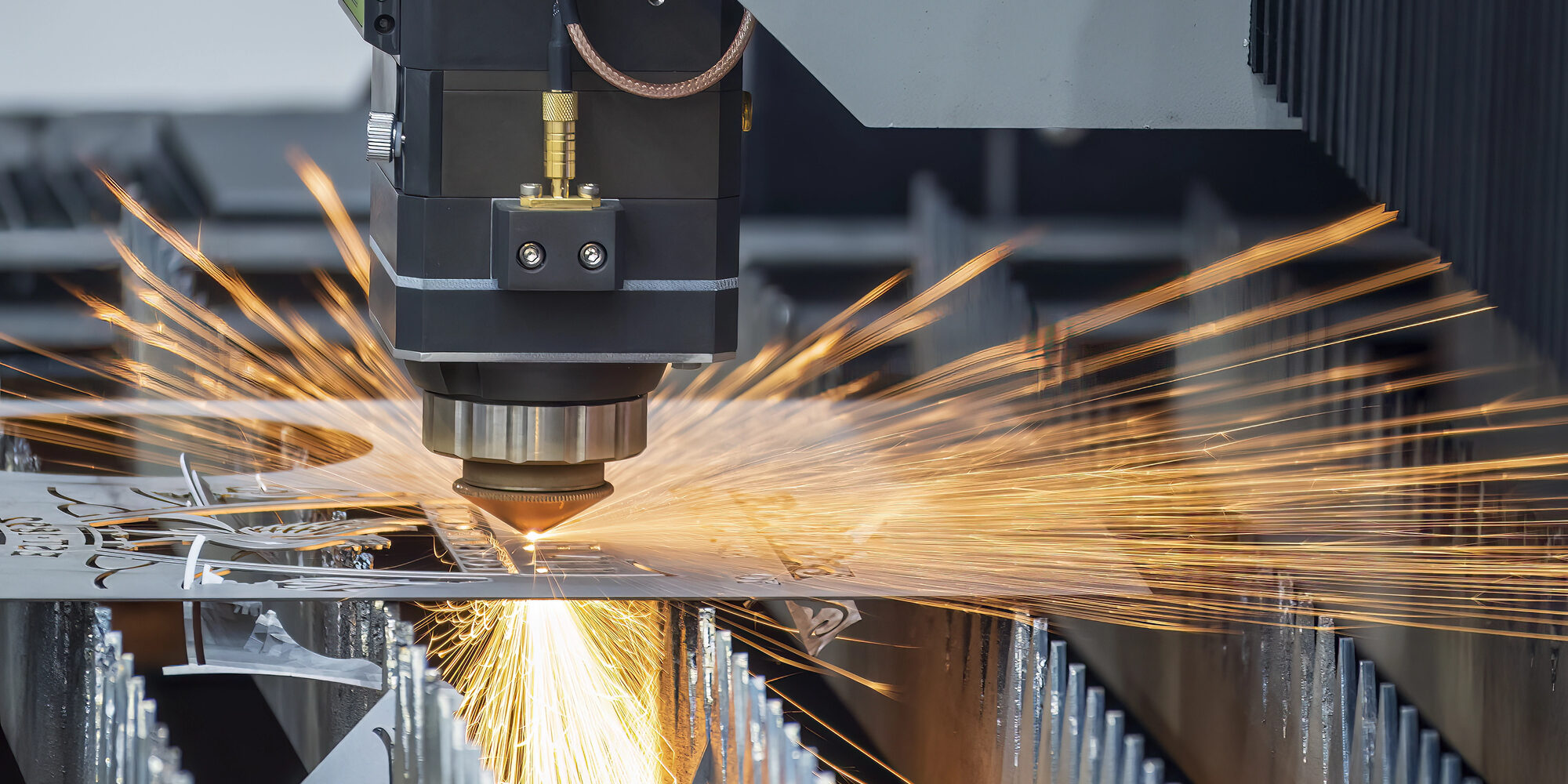
Modern shops use a mix of traditional and high-tech tools: laser cutters, plasma tables, press brakes, and CNC machines alongside grinders, welders, and torches. Each part is fabricated to spec—cut, bent, drilled, or welded with precision.
This is the heart of custom metal fabrication. Unlike mass-produced parts, each component is crafted one-off or in short runs. There’s no margin for error. Tolerances are tight. Details matter.
And this isn’t just about strength or function. The finish is often just as important. If a part is visible—say a handrail, canopy, or trim piece—it needs to look clean, polished, and professional. That’s why many shops also offer finishing services like powder coating, galvanizing, or polishing in-house.
4. Quality Control: Measure Twice, Cut Once (Then Measure Again)
Quality control isn’t an afterthought. It’s baked into every step.
Before a part ever leaves the shop, it’s checked against drawings, test-fit (if possible), and inspected for weld quality, proper finish, and structural integrity. If it’s a complex assembly, it may even be partially assembled in the shop to make sure everything lines up right.
For contractors, this level of precision means fewer surprises on site. Install goes faster. There’s less grinding, less rework, and fewer delays. That’s the real value of working with pros who specialize in custom metal works—they know that a part that’s “almost right” is still wrong.
5. Delivery and Install Support
Once the part is finished and passes inspection, it’s packed for transport and sent to the site. Some fabricators offer delivery or even assist with install for large or complex projects. Others provide detailed install instructions or labeling to help field crews know exactly how everything fits.
If a project needs multiple custom parts, a good fabricator will ensure they’re packaged in order, labeled clearly, and staged for efficient use. No contractor wants to waste time sorting through a pallet of unlabeled steel.
6. The Real Payoff: Speed, Fit, and Confidence
Every contractor knows the pain of delays—when a part doesn’t fit, a supplier can’t deliver, or a job stalls while waiting for a fix. Custom metal solutions reduce that risk by giving you exactly what you need the first time.
When you work with the right fabrication partner, you get more than just a metal part. You get speed, precision, and support. You get someone who understands the job site pressures and builds to match your real-world needs.
That’s the difference between just cutting metal and delivering true custom metal fabrication.
Ready to bring your ideas to life? Whether you’re working off a quick sketch or a full spec sheet, custom metal works are the answer when standard parts won’t cut it.
Start Your Custom Fabrication Project Today
From sheet stock to polished perfection, Abraham Steel delivers high-quality results on projects of any size. Whether you need precision cutting, expert bending, professional welding, or flawless polishing — we’ve got you covered.
Contact us now to bring your custom metal solution to life with craftsmanship you can trust.