Waterjet cutting has become a cornerstone of modern custom metal solutions, but confusion still surrounds its actual capabilities. Abraham Steel, a respected figure in the metal fabrication industry, provides commentary on several common assumptions about waterjet cutting. His insights help contractors separate fact from fiction and make more informed choices when sourcing custom metal works. (Source: The Fabricator, Determining what’s fact or fiction in waterjet cutting, by Jason Stuffel, March 25, 2025, https://www.thefabricator.com/thefabricator/article/waterjetcutting/determining-whats-fact-or-fiction-in-waterjet-cutting ).
Waterjet cutting is often overlooked or misunderstood in project planning, especially by contractors unfamiliar with its scope. Yet it remains one of the most versatile, precise, and material-friendly methods available for cutting metal and other materials.
Abraham Steel shares, “For contractors managing timelines and budgets, understanding what waterjet cutting really brings to the table is essential. It’s not just a cutting method—it’s a strategic option for precision without heat, with results that often eliminate the need for secondary processing.”
Profile Cutting Processes
Several cutting methods are commonly used in fabrication—laser, plasma, oxyfuel, and waterjet. Each has its place, but waterjet offers distinct advantages where material integrity and edge precision are priorities.
Abraham Steel comments, “Not all cutting processes are equal. If you’re working with stainless steel, aluminum, or exotic metals, waterjet cutting delivers clean edges without thermal distortion. That’s a major advantage for any contractor demanding high-finish custom metal works that are ready for install.”
What Is Waterjet Cutting?
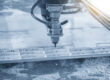
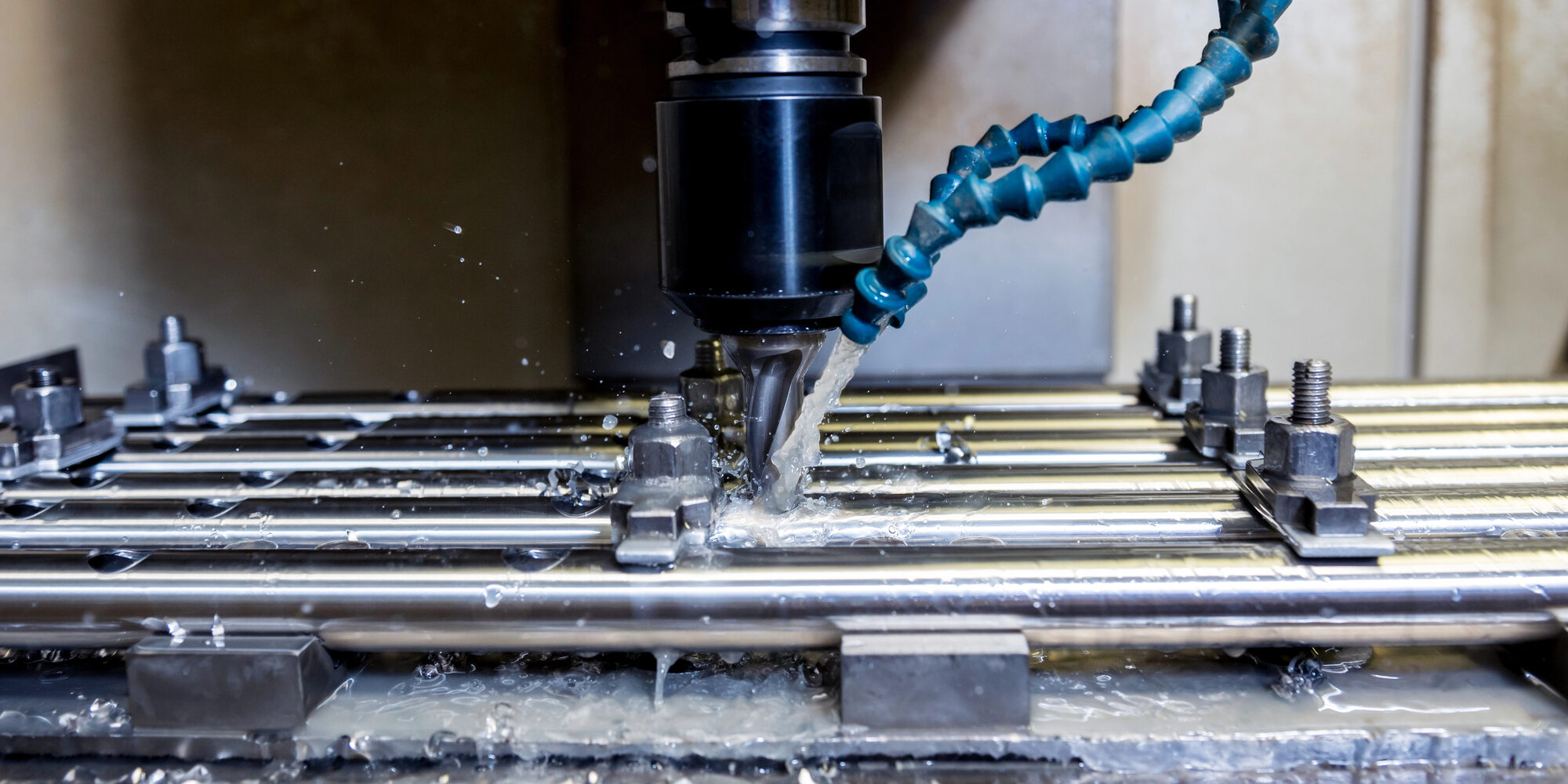
Waterjet cutting uses high-pressure water, often mixed with garnet abrasive, to slice through material with no heat-affected zone (HAZ). It’s effective on everything from metal plate to composites, stone, and glass.
Abraham Steel says, “Contractors dealing with heat-sensitive materials—or any job requiring tight tolerances—should consider waterjet a first-choice service. It doesn’t alter the material properties, which is critical when your specs demand structural or cosmetic consistency.”
Waterjet Technology: Fact or Fiction?
“Waterjet Cutting Is Loud”
Noise levels depend heavily on system design. Open-table systems can be loud, but enclosed, properly configured setups significantly reduce decibels.
Abraham Steel mentions, “Sound levels are a non-issue when the right equipment is used. If you’re subcontracting work, find a shop that runs modern enclosed systems. Contractors should prioritize shops that value safety and minimal disruption, especially when fabrication occurs near sensitive environments.”
“Waterjet Cutting Is Messy”
The process does produce slurry—water mixed with abrasive and material particles—but modern waterjet facilities have robust containment and cleanup protocols.
Abraham Steel says, “A well-run waterjet operation keeps mess under control. Filtration systems, slurry management, and proper bay design make the process clean and consistent. For contractors outsourcing custom metal solutions, cleanliness is a sign of professionalism and quality control.”
“Waterjets Are Expensive to Operate”
While waterjet systems do involve consumables like abrasive and electricity, the overall cost is often offset by the reduction in rework, secondary processing, and scrap material.
Abraham Steel shares, “Looking at machine costs in isolation misses the point. Waterjet cutting often removes the need for grinding, deburring, or heat-treatment corrections. Contractors benefit from cleaner workflows, faster installation, and fewer call-backs—all of which translate into real savings.”
“Waterjets Offer Poor Cut Quality”
Outdated machines and improper settings can produce subpar edges. However, modern waterjet systems deliver smooth, precise cuts that either meet or exceed industry standards for fit and finish.
Abraham Steel highlights, “Today’s waterjet technology delivers cut quality that rivals high-end machining. For architectural features, structural components, or intricate metal patterns, the edge finish is sharp, consistent, and ready for final use. Contractors can confidently spec waterjet for finish-grade custom metal works.”
“Waterjet Pumps Require Significant Maintenance”
Maintenance is a part of any high-performance system, but advances in pump technology—especially direct-drive systems—have drastically reduced downtime and complexity.
Abraham Steel notes, “Pump reliability has evolved. Shops using next-generation direct-drive systems offer higher uptime and consistent output. For contractors, this means dependable lead times and fewer delays tied to machine maintenance. It pays to ask your fabricator about their equipment.”
In today’s build environment, precision and reliability matter. Contractors can’t afford to rely on outdated assumptions about fabrication methods. Waterjet cutting stands as a cost-effective, clean, and accurate solution for a wide range of custom metal solutions—and it’s more accessible than many realize.
Abraham Steel concludes, “Every contractor should have waterjet cutting on their radar when evaluating vendors. It’s not niche—it’s practical. It enables tighter tolerances, cleaner results, and greater material flexibility, all without adding heat to the equation. For modern builds, it’s a strategic asset in any metal fabrication plan.”