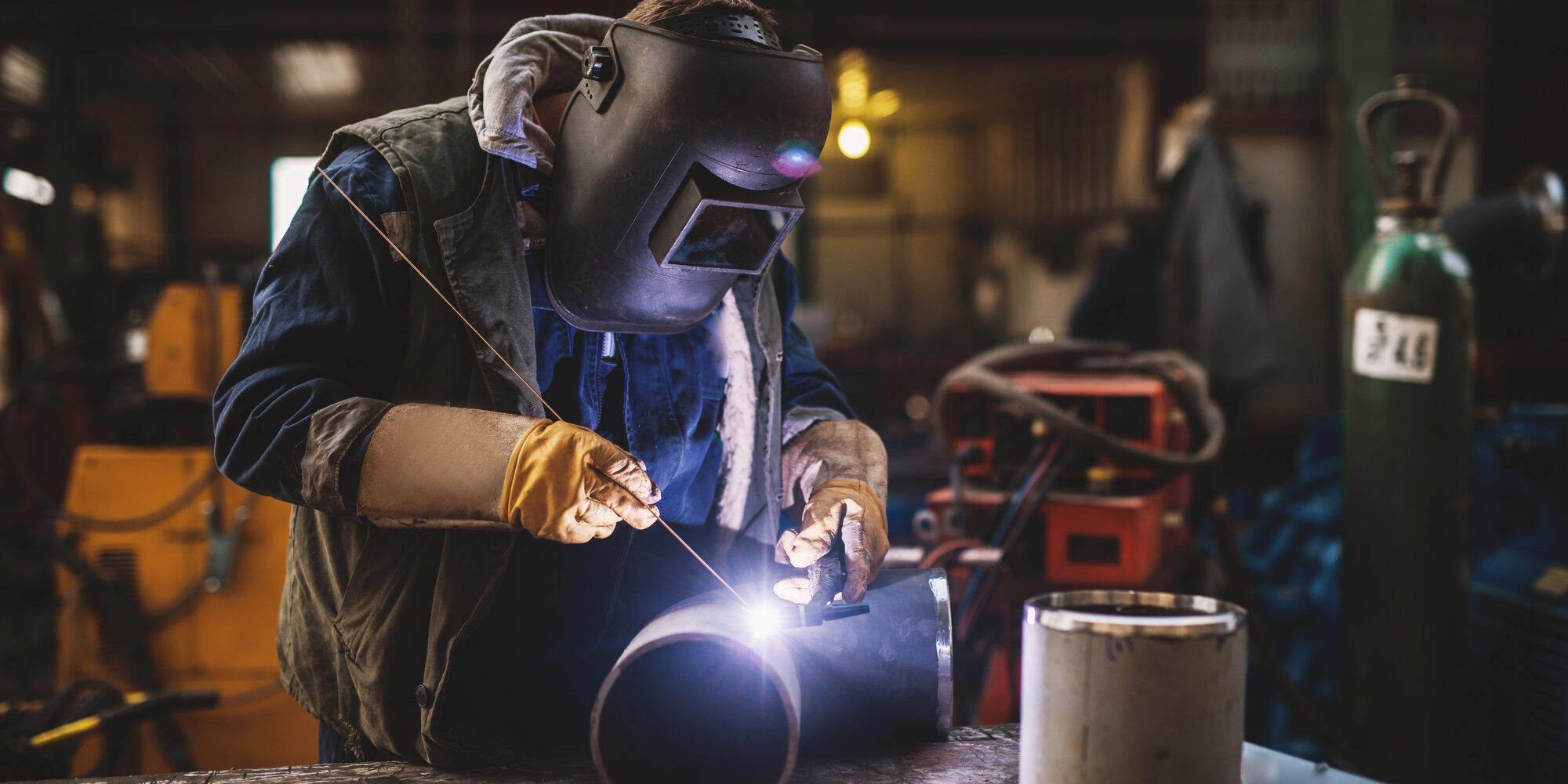
Walk onto almost any job site today, and you’ll see some form of custom metal fabrication at work. What used to be a specialized service has become part of the baseline for residential, commercial, and industrial construction. Builders choose custom metal solutions for the same reasons owners expect them: better fit, stronger performance, cleaner results, and less wasted time and material.
Here’s a straightforward look at why custom metal works have shifted from optional to essential.
Better Fit From Day One
Standard parts rarely meet real-world conditions. Walls aren’t perfectly straight, loads change, and designs evolve. Off-the-shelf components can force crews to make on-site adjustments, slowing the schedule and introducing weak points.
Custom metal fabrication solves that problem at the start. Pieces are measured, modeled, and built for the exact application. That means brackets line up, frames sit level, and architectural elements match the layout with no guesswork. For a contractor, this reduces rework, improves tolerances, and helps every trade downstream keep moving.
A precise fit also matters in residential jobs where owners expect tight, clean finishes. Railings, stair stringers, decorative panels, and support elements made through custom metal works remove the need for field fixes that stand out later.
Stronger Performance Under Load
Modern buildings are expected to last longer, withstand greater stress, and meet more stringent codes. Custom metal solutions help contractors hit those targets. When fabricators tailor the grade, thickness, weld pattern, and reinforcement, the final piece isn’t just a generic part; it’s engineered for the loads and conditions it will face.
In commercial and industrial settings—like warehouses, plants, and data centers—custom metal fabrication supports heavier equipment, longer spans, and more complex mechanical systems. Structural supports, mezzanines, and equipment platforms often rely on this approach because standard parts can’t handle the demands or don’t integrate well with specialty systems.
Even in residential builds, using custom metal works for beams, posts, or brackets can create slimmer profiles that hold more weight without crowding the floor plan. It gives designers freedom and contractors a stronger, cleaner solution.
Faster Installs, Fewer Delays
Contractors are under pressure to finish faster without sacrificing quality. Prefabricated metal components streamline the entire install process. When pieces show up labeled, pre-drilled, and ready to set, crews spend less time modifying parts in the field.
Think of rails that arrive with exact mounting points, stair assemblies that bolt together without shimming, or structural elements that lift into place with no trimming. With custom metal fabrication, work becomes more predictable. This reduces downtime, limits safety risks associated with on-site cutting or welding, and allows trades to move on to the next task sooner.
Many builders also count on fabrication shops for quick turnaround on design changes. When a project shifts, having a partner who can adjust or remake a piece keeps the job on track.
Cleaner Finishes That Match Modern Design
Today’s architecture leans toward exposed structure, mixed materials, and clean lines. Because metal is both structural and decorative, precision matters. Custom metal solutions deliver the look designers want without sacrificing strength.
Contractors use custom metal works for:
- Exterior panels and trim that align perfectly with other cladding
- Decorative screens and partitions
- Stair and railing systems that match the design language
- Custom brackets and hardware that blend into the layout
These pieces don’t just look good. They also reduce the need for touch-ups and adjustments after installation. When metal components arrive finished and accurate, painters, carpenters, and other trades can coordinate around them with fewer headaches.
Less Waste and Better Material Efficiency
Material waste is more than a cost issue—it affects schedules, logistics, and sustainability requirements. Custom metal fabrication cuts waste by producing only what the project needs. Instead of buying stock materials that must be trimmed, crews receive finished parts ready to install.
Fabrication shops can also nest parts for efficient cutting, reuse scrap, and optimize each sheet or beam. This reduces the raw material footprint and lowers costs for the contractor. On-site, fewer offcuts mean cleaner work areas and faster cleanup.
For industrial and commercial clients focused on sustainability, these efficiencies help meet project goals without adding complexity to the build.
Works Across Every Sector
The shift toward custom metal solutions isn’t limited to one type of project. You’ll find it across:
- Residential: railings, gates, structural supports, decorative elements
- Commercial: storefront systems, stair assemblies, canopies, mechanical supports
- Industrial: platforms, safety guards, equipment frames, duct, and pipe supports
In each case, the value is the same: better performance, easier coordination, and results that match the design intent.
A Practical Standard, Not a Luxury
The rise of custom metal fabrication isn’t a trend. It’s the natural response to tighter timelines, higher expectations, and more complex builds. Contractors get stronger, cleaner, more predictable results. Owners get better-looking projects with fewer problems later.
As construction continues to push for efficiency and precision, custom metal works will stay at the center of modern building practices. It gives teams a tool that’s flexible enough to meet unique challenges and reliable enough to use on every job.
Start Your Custom Fabrication Project Today
From sheet stock to polished perfection, Abraham Steel delivers high-quality results on projects of any size. Whether you need precision cutting, expert bending, professional welding, or flawless polishing — we’ve got you covered.
Contact us now to bring your custom metal solution to life with craftsmanship you can trust.